
Every so often, someone unboxes The Ant-Mote™ and is surprised by how light it feels. In photos, the clear dish can look heavy and solid. In the hand, it weighs less than some people expect.
That reaction is fair. The light weight of our product is a deliberate design decision, and this post explains the thinking behind it: what the dish is made of, why we did not make it thicker, where its strength actually comes from, and how we test it.
The short answer
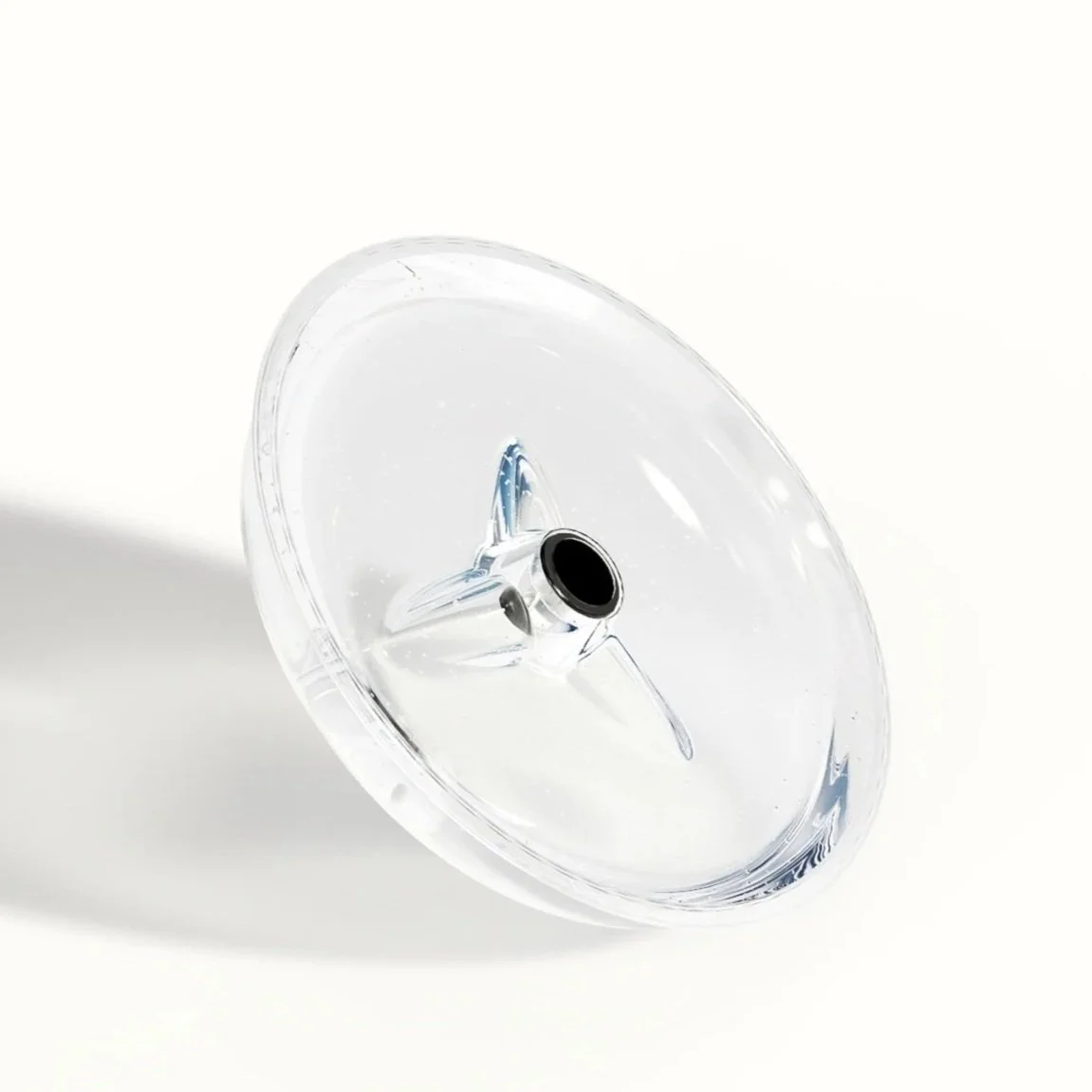
The Ant-Mote™ is thermoformed by us in Moorestown, New Jersey, from thin-walled, UV-resistant polycarbonate sheet made less than 75 miles away in Eastern Pennsylvania. The Ant-Mote™ weighs about 2 to 3 oz for ⅝" poles and 4 to 5 oz for 1" poles, bushing included. During development, we tested a range of designs, materials, and thicknesses, concluding that a thicker dish did not perform better as an ant moat or a bird bath. Its strength comes from the patented way the dish locks together with the conical rubber bushing. We have conducted performance tests with The Ant-Mote™ since 2021, including one unit that has been outside for more than five years straight. During that time, we have found no degradation in the dish, the bushing, or the connection to the pole.
What The Ant-Mote™ is made of
The Ant-Mote™ starts as clear, UV-resistant polycarbonate sheet manufactured in Eastern Pennsylvania less than 75 miles from our own manufacturing location. Today, we thermoform each dish in-house in Moorestown, New Jersey, on our own equipment, and check every one against our quality standards before it ships.
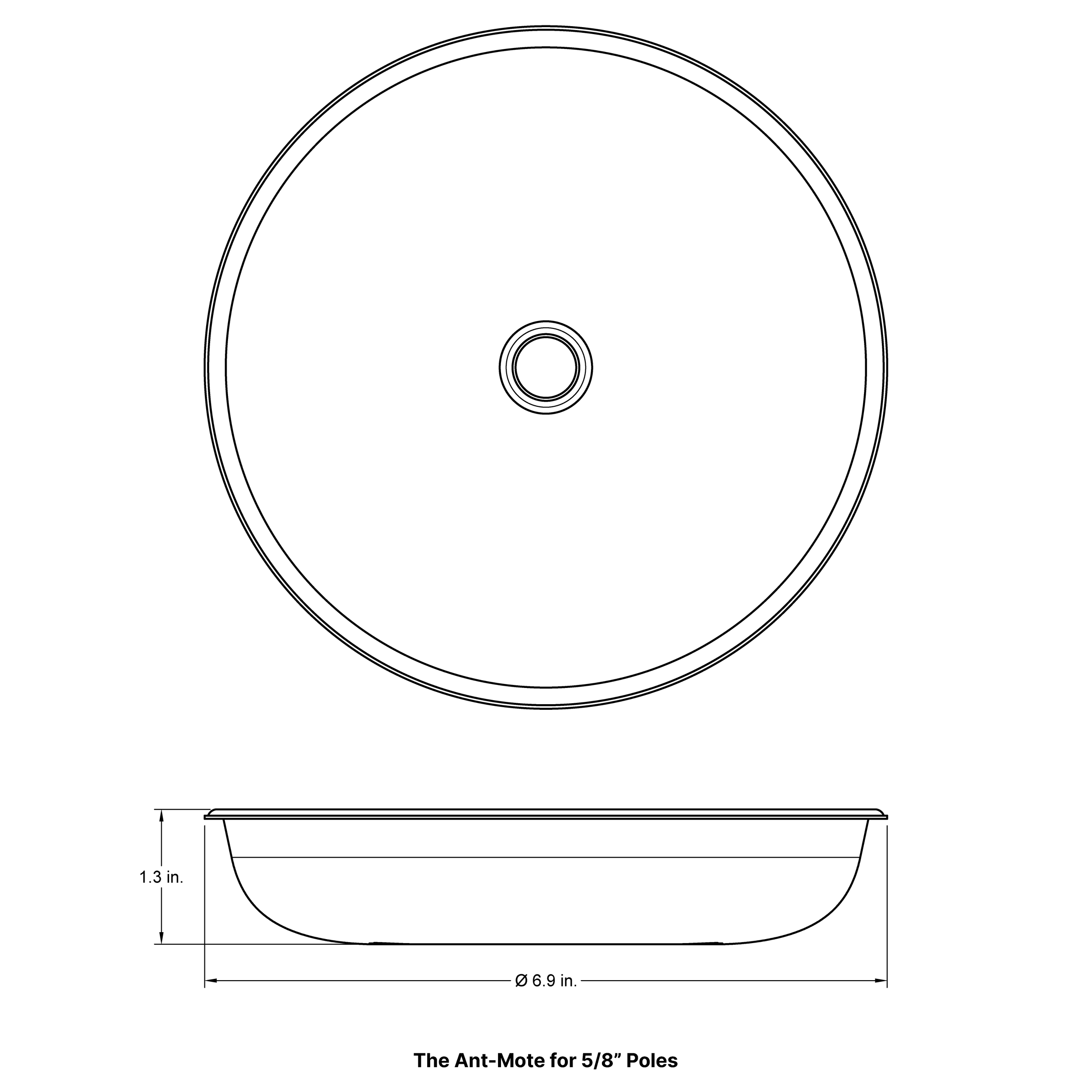
Including its neoprene rubber bushing, The Ant-Mote™ weighs about 2 to 3 oz for ⅝" poles and 4 to 5 oz for 1" poles, yet both sizes hold about 18 oz of water. The dish itself weighs almost the same in both versions, but the variation comes from the 1" version's proportionally larger bushing.
We chose polycarbonate because it stays clear so the moat almost disappears beneath your feeder. Our polycarbonate is UV-resistant, so it holds up in full sun without degrading.
Why we did not make it thicker
Early in development, we tested a range of materials and thicknesses. A thicker dish would have felt more substantial in the hand, but in our testing it did not stop ants better, hold water better, or stand up to the weather better. Without a functional benefit, extra thickness would only have added weight and material.
That extra material also carries a cost you cannot see: embodied energy, the total energy it takes to make and move a product over its life. A thicker dish would need more energy at every stage:
shipping raw materials from the producer to our manufacturing location
forming a heavier part
shipping the finished product to you
Keeping the dish as thin as its job requires lets us use less material and therefore, less energy without sacrificing performance.
Where the strength comes from
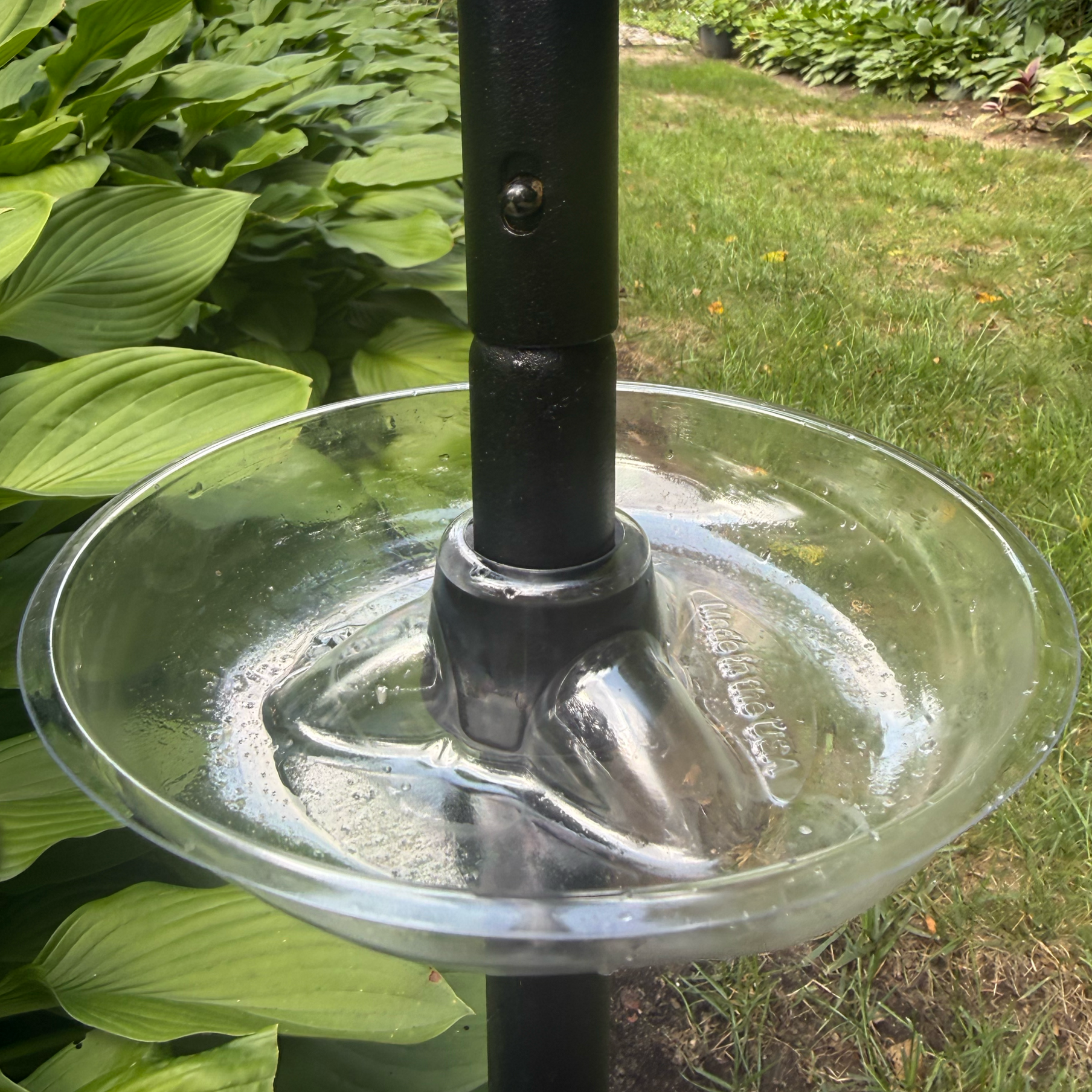
The part of The Ant-Mote™ that does the structural work is the connection between the dish and its conical neoprene rubber bushing. The bushing is fixed to the pole first, then the dish is pressed onto it by hand, with no tools, clamps, or adhesives.
We refined that connection through many rounds of testing. Pressed together, the two parts form a firm, sealed fit that supports a dish full of water plus the birds that land on the rim of The Ant-Mote™ to drink and bathe. We have watched birds as large as blue jays land on The Ant-Mote™ without damaging deflection or spilled water. Stability comes from that fit, which is why the dish itself can stay light.
How we test it
We began production in 2021 and have tested The Ant-Mote™ outdoors through every season since. While we suggest taking The Ant-Mote™ inside during late fall and putting it back outside in spring, our longest-running test unit has been outside without interruption for more than five years. In that time, we have not seen degradation in the UV-resistant plastic of the dish, in the rubber bushing, or in the strength of the connection to the pole.
Across that same testing, when The Ant-Mote™ is filled with water, ants have not bridged the water to reach a feeder.
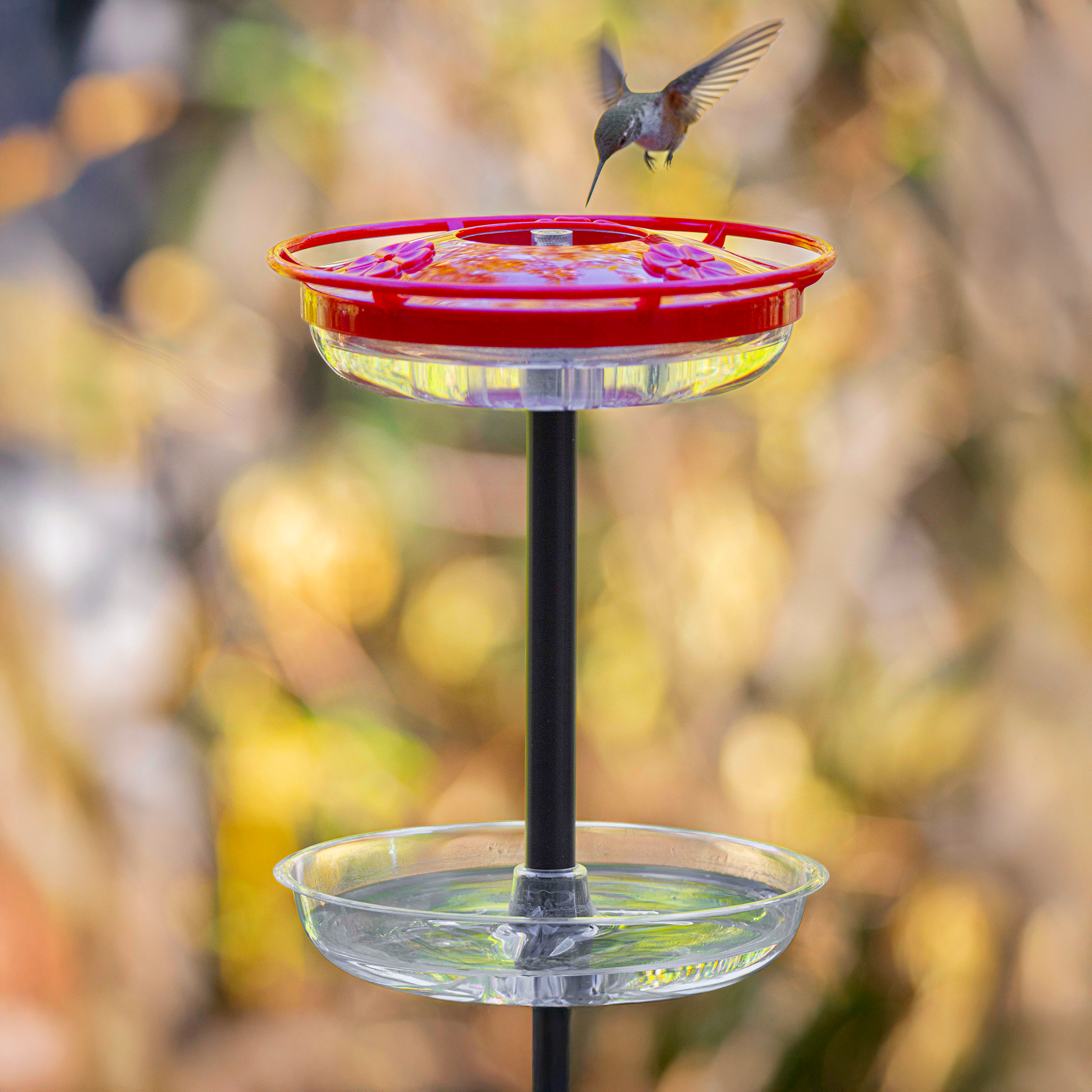
Photo: Greg Griffin
Our process can evolve. Our standards stay the same.
We make The Ant-Mote™ the way we do today because it lets us control quality closely at our current scale. As demand grows, we will keep evaluating manufacturing methods and materials. If we ever change how The Ant-Mote™ is made, the new version will have to pass the same outdoor testing and meet the same standard of quality.
Frequently asked questions
Why does The Ant-Mote™ feel lighter than it looks?
It is made from thin-walled polycarbonate and weighs about 2 to 3 oz for ⅝" poles and 4 to 5 oz for 1" poles, bushing included. The dish weighs almost the same in both sizes; the 1" version's larger bushing accounts for most of the difference. We tested thicker versions during development, found no functional benefit, and chose the thickness that does the job with less material and less energy.
Is The Ant-Mote™ strong enough for birds to land on?
Yes. The dish locks onto its conical neoprene rubber bushing, a connection we refined through testing to hold a full dish of water plus a bird landing to drink and bathe. We have seen birds as large as blue jays land on it without damaging deflection or spilled water.
Where is The Ant-Mote™ made?
Our UV-resistant polycarbonate is manufactured in Eastern Pennsylvania, and we currently thermoform every Ant-Mote in Moorestown, New Jersey.
Can I leave The Ant-Mote™ outside in winter?
We suggest bringing your Ant-Mote inside during the winter and putting it back outside in the spring. For more information, see our answer in Can I leave The Ant-Mote™ outside in winter?
To keep the dish clear for years, clean it by hand with a soft brush and skip the dishwasher. Our cleaning guide shows how to do this with your feeder still mounted.
Have more questions about The Ant-Mote™? Write to us at info@theantmote.com. Questions like the one that inspired this post help us explain our choices more clearly.
